






How Smart Thermostats Improve HVAC Performance Today
Smart thermostats have changed the way modern HVAC systems operate by introducing automation, learning capabilities, and remote control features that improve efficiency and comfort. Unlike traditional thermostats that rely on manual adjustments, smart thermostats adapt to household routines and environmental conditions to maintain consistent indoor temperatures with minimal energy waste.
As homes become more connected, these devices are now considered essential tools for optimizing HVAC performance and reducing utility expenses.
What Is a Smart Thermostat
A smart thermostat is a programmable device that connects to your HVAC system and allows automated temperature control using sensors, scheduling tools, and internet connectivity.
These devices can
- Learn daily temperature preferences
- Adjust settings automatically
- Be controlled remotely through mobile apps
- Monitor energy usage patterns
- Integrate with home automation systems
This level of control ensures the HVAC system runs only when necessary.
How Smart Thermostats Improve HVAC Efficiency
Smart thermostats improve HVAC performance by reducing unnecessary system operation and maintaining stable indoor conditions throughout the day.
They help optimize efficiency through
- Automatic scheduling based on occupancy
- Real time temperature adjustments
- Adaptive learning technology
- Reduced heating and cooling cycles
- Energy usage tracking
By minimizing wasted operation time, HVAC equipment performs more effectively and lasts longer.
Remote Access Improves Temperature Control
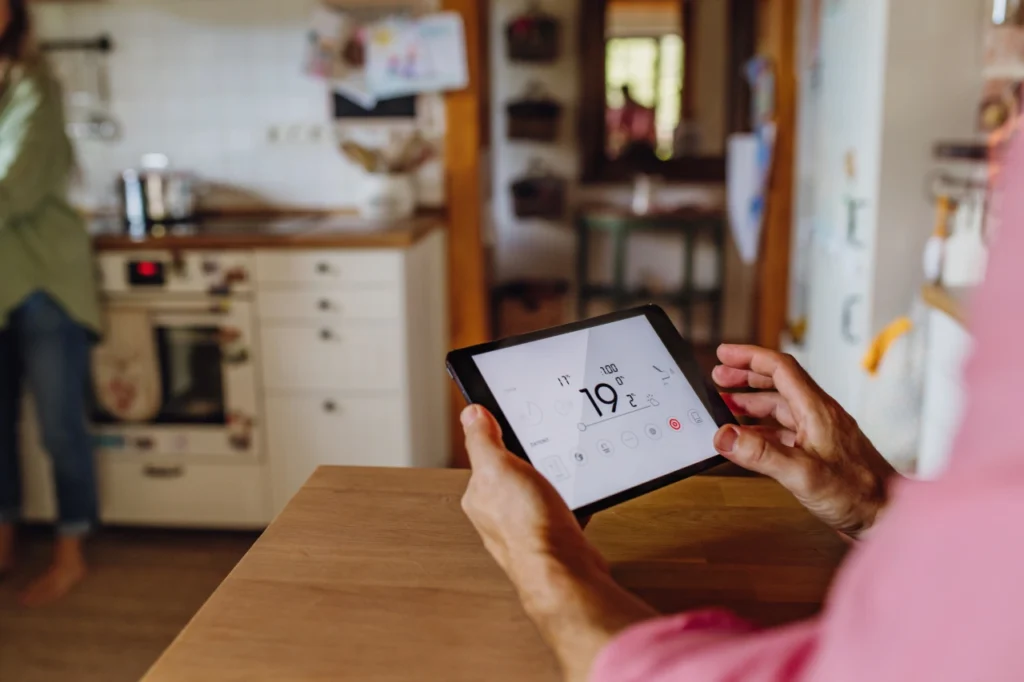
One of the most practical advantages of smart thermostats is remote access through smartphones or tablets. This allows homeowners to adjust temperature settings even when they are away.
Remote control helps
- Prevent unnecessary heating or cooling when the home is empty
- Prepare comfortable indoor conditions before arrival
- Respond quickly to weather changes
- Monitor HVAC activity in real time
These features support better performance without increasing workload on the system.
Learning Capabilities Reduce Energy Waste
Modern smart thermostats use learning algorithms that recognize daily behavior patterns and adjust HVAC settings accordingly.
For example, the thermostat can automatically
- Lower cooling during sleeping hours
- Reduce heating when occupants leave home
- Restore comfort settings before return
- Maintain stable indoor temperatures during occupancy
This automation reduces manual adjustments while improving energy efficiency.
Smart Sensors Improve Indoor Comfort
Advanced smart thermostats include sensors that detect temperature variations across different rooms. These sensors help distribute heating and cooling more evenly throughout the house.
Benefits include
- Balanced temperature across living spaces
- Reduced hot and cold spots
- Improved airflow management
- More accurate system operation
Improved sensing leads to better HVAC responsiveness and comfort consistency.
Integration With Home Automation Systems
Smart thermostats can connect with modern home automation platforms to coordinate with other smart devices.
Integration supports
- Voice control through assistants
- Automatic adjustment based on lighting schedules
- Coordination with smart blinds or windows
- Energy saving routines across the home
These connections create a more efficient indoor environment with minimal user effort.
Energy Monitoring Helps Optimize Usage
Many smart thermostats provide detailed reports showing how often the HVAC system operates and how much energy it consumes.
Energy tracking helps homeowners
- Identify inefficient temperature habits
- Adjust schedules for better performance
- Understand seasonal usage patterns
- Reduce unnecessary system runtime
This visibility encourages smarter decisions that improve HVAC efficiency.
Zoning Support Enhances System Performance
Smart thermostats can work with zoning systems that control temperatures in specific areas instead of conditioning the entire house at once.
Zoning improves performance by
- Delivering heating only where needed
- Reducing cooling demand in unused rooms
- Supporting customized comfort levels
- Lowering overall energy consumption
This targeted control increases HVAC effectiveness across larger homes.
Alerts and Maintenance Reminders Protect Equipment
Smart thermostats can send alerts when HVAC systems require attention or when filters need replacement.
Maintenance notifications help
- Prevent airflow restrictions
- Maintain consistent performance
- Reduce risk of unexpected breakdowns
- Extend equipment lifespan
Timely reminders ensure the system continues operating efficiently.
Seasonal Adaptation Improves Year Round Performance
Smart thermostats automatically adjust temperature strategies based on seasonal changes. They respond differently during winter and summer conditions to maintain comfort while minimizing energy usage.
Seasonal adjustments help
- Reduce cooling demand during mild weather
- Improve heating efficiency during colder months
- Maintain stable humidity levels
- Support consistent indoor comfort throughout the year
This adaptability enhances HVAC performance without constant manual changes.
Financial Benefits of Using Smart Thermostats
Installing a smart thermostat can lead to noticeable savings on heating and cooling expenses over time.
Cost saving advantages include
- Reduced monthly electricity bills
- Lower HVAC repair frequency
- Extended system lifespan
- Improved long term property efficiency value
These benefits make smart thermostats a practical upgrade for modern households.
Frequently Asked Questions
Can smart thermostats work with older HVAC systems
Many smart thermostats are compatible with older HVAC units, although some systems may require additional wiring adjustments during installation.
Do smart thermostats require internet access to function
Basic temperature control works without internet access, but remote control features and learning capabilities depend on connectivity.
Are smart thermostats difficult to install
Some models support simple installation, but professional installation ensures compatibility and proper performance with complex HVAC systems.
Do smart thermostats help reduce indoor humidity levels
Yes smart thermostats can support humidity control when paired with compatible HVAC equipment that manages moisture levels.
Can multiple users control the same smart thermostat
Most smart thermostat platforms allow multiple authorized users to access and adjust temperature settings through connected devices.
Are smart thermostats suitable for apartments
Yes smart thermostats can improve temperature management in apartments as long as the HVAC system supports thermostat replacement.
Do smart thermostats continue learning after installation
Yes most smart thermostats continue adapting over time as they collect more information about household schedules and temperature preferences.

Related Posts


